Two readers, one cert, and a person on every disagreement.
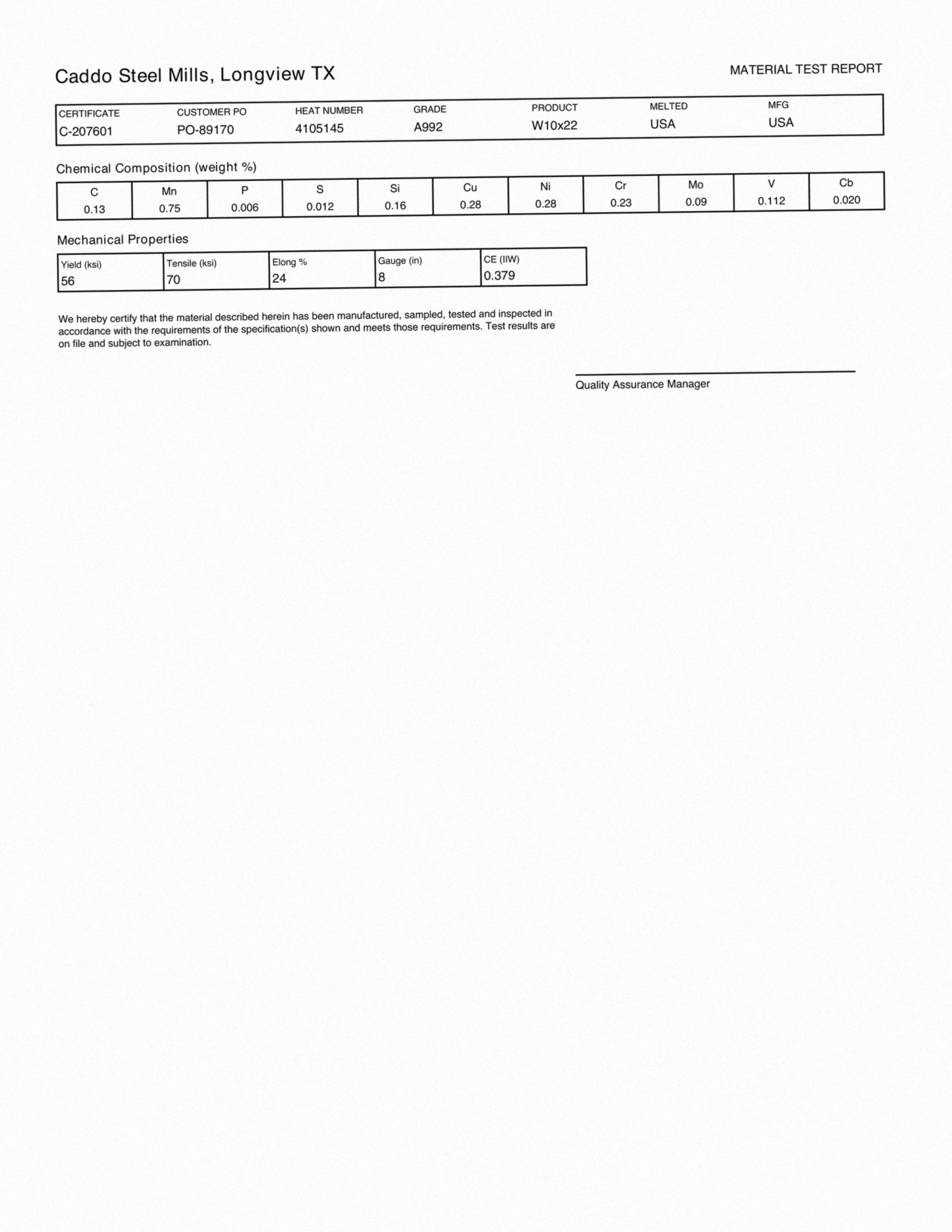
Document reading software fails in a particular way: it returns a wrong value formatted exactly like a right one, and nothing turns red. The fix that holds up is an independent second read and a person on every disagreement. This page runs that design in front of you. An older OCR engine reads a mill test report inside your browser, an AI reader reads the same page on our server, and the fields they disagree on are marked for a person. Pick a sample at any copy generation, or upload a cert of your own.
What is real here, and what is not
Real
Both readers run on the page you pick, every time, with no cached answers. The OCR engine is the open-source Tesseract engine compiled to WebAssembly, running on your machine. The AI reader is a current vision model called with the same prompt the bench behind our Fabricator article used. The comparison logic is the bench's comparison logic. The answer key for the sample certs is exact, because the certs were generated from known values.
Stand-in
The sample certs are synthetic: generated to match real mill test report anatomy, then degraded through the copy chain a real cert travels. Print and scan, a low-resolution one-bit copy of the kind a fax or a cheap copier makes, the same with low toner, a copy of that copy, and a photocopy of it. No mill, heat or customer on them is real.
Limits
One page is a demonstration, not a rate. The published rates come from nearly a thousand field reads per reader per generation and live in the article. The browser OCR engine uses a smaller, faster language model than the desktop engine the bench ran, so its reads here will differ from the bench's, usually for the worse. The AI reader has a daily budget on this page. When it is spent, the page says so and stops.
Pick a page and run both readers
Each sample cert is offered at six points down the copy chain, from the mill's clean PDF to a photocopy of a copy. Start with the office scan, which is what most receiving desks actually get: both readers read it, most fields pass, and the few that go to a person are the ones the older engine could not read. Then run the copy of a copy. It still looks fine at arm's length, the older engine reads almost nothing, and it is the page where the AI reader is most often confidently wrong. Watch which fields go to a person, and whether the answer key agrees with the reader that was confident.
| Field | OCR engine | AI reader | Verdict | Answer key |
|---|
What you are looking at
Each reader returns a value for every field and a flag for whether it was confident. "No read" means the reader declined to answer, which is the loud, safe failure. "Uncertain" means it answered but flagged doubt. A value with no flag is the reader saying it is sure. That last category is where the damage happens, because a confident wrong value looks identical to a confident right one and no downstream check can tell them apart.
The verdict column is the whole design. Where both readers return the same value, the field passes. Where they differ, or where either declined, the field goes to a person with the image beside it. Two unlike readers rarely invent the same wrong value, so a confident mistake by one is exposed by the other. On the sample certs the answer key shows whether that held on this page.
Two things to try. Run the copy of a copy on either sample and look for a field where the AI reader was confident and wrong while the OCR engine abstained. That is the failure the design catches. Then run the clean render and notice how little goes to a person, because a check that floods people on good paper gets switched off.
What this page will not tell you
- A rate. Two certs at six generations is twelve pages. The rates in the article came from 84 certs and nearly a thousand field reads per reader per generation, and they are the numbers to quote.
- That disagreement always catches the error. In the bench it caught every one of 81 confidently wrong values, and that is a count, not a law. Two readers misreading the same smudge the same way is possible. It is rare because the readers are unalike.
- How your own paperwork will fare. The uploader exists so you can find out. A cert from your own filing cabinet is worth more than any sample here.
- Anything about your upload after the page closes. The image goes to the AI reader once, the reply comes back, and neither is stored. The only record kept is a count against the daily budget.
This is one page. The design is not cert specific.
Mill certs make a good demonstration because the values are checkable and the cost of a wrong one is physical. The design underneath is general: any document extraction that feeds a system of record should have an independent second read, a comparison that nobody can switch off, and a person on every disagreement with the source in front of them. If a process in your business feeds extracted values into something that matters, the assessment is where we find out whether this design fits it.
Start an assessment ↗A fixed scope, a fixed price, and an honest answer if the answer is no.